The Project
The shift toward a mobility of the future that is simultaneously sustainable, user-oriented, and efficient continues to face major challenges. The goal of reducing emissions stands in tension with increasing traffic, particularly in motorized private transport; flexibility and user-orientation still seem difficult to reconcile with sustainability.
At the same time, many technological solutions are already available today to resolve this conflict of objectives – the main task is to integrate them meaningfully and optimize their interplay.
Crucial to this is a process of co-creation that incorporates both society's readiness for transformation and the needs of users, enabling mobility services that are cost-efficient, flexible, and universally usable, while meeting higher ecological requirements.
This is where the research project IMIQ comes in: its aim is to develop mobility solutions that are
- sustainable,
- scalable, and
- socially established
and can be transferred to other regions in Saxony-Anhalt and beyond.
|
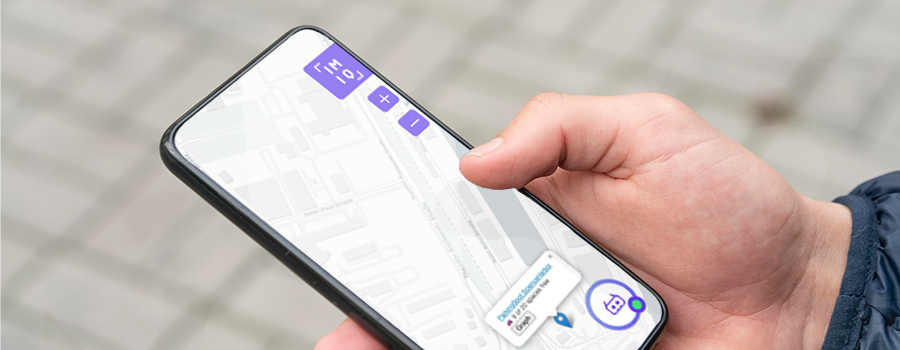
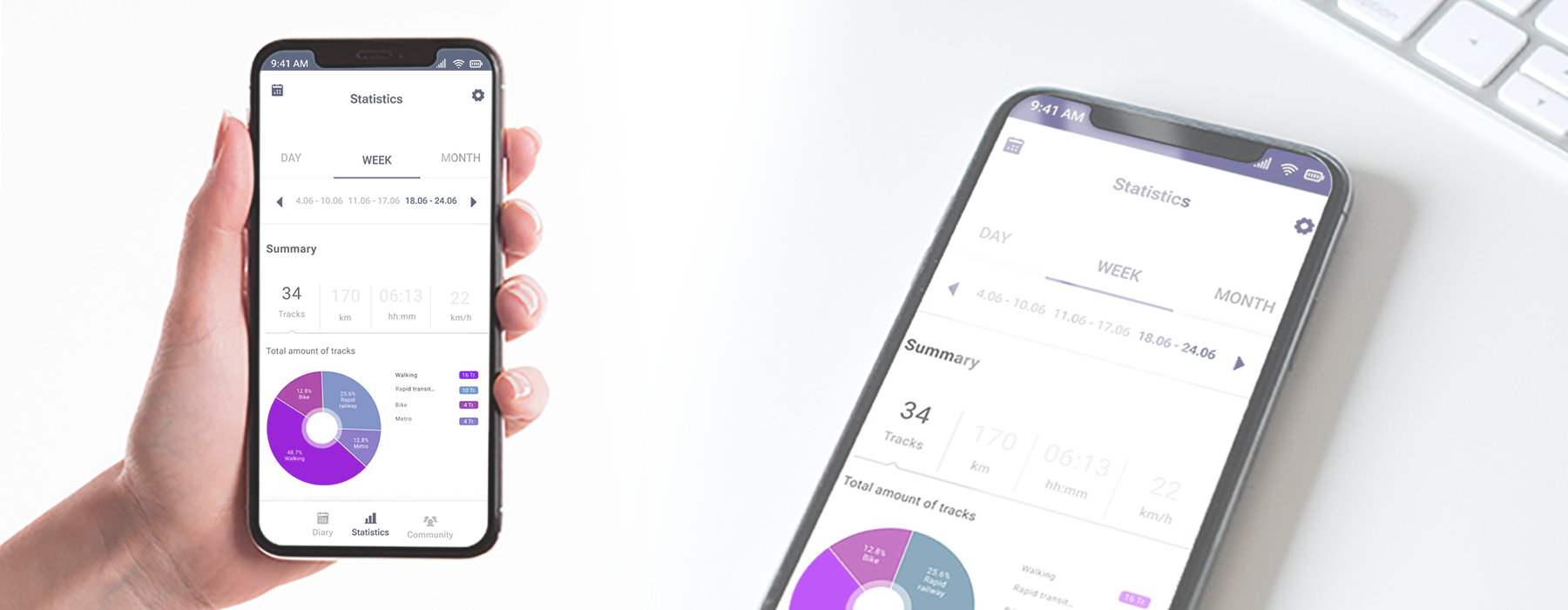
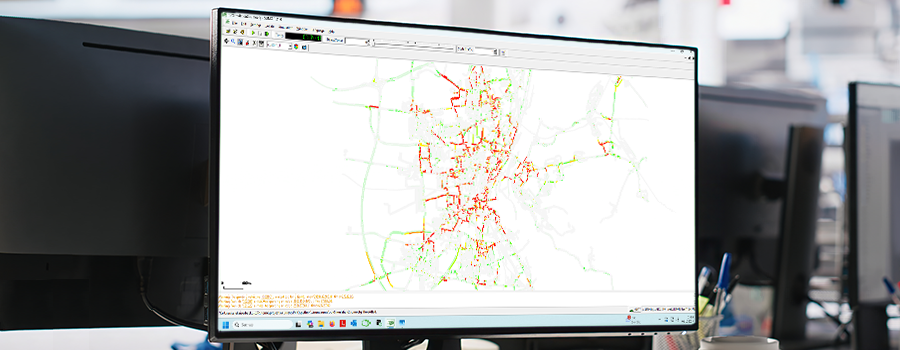
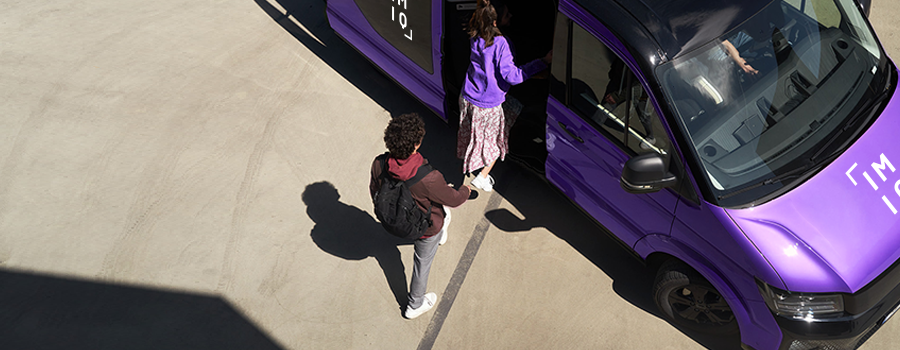
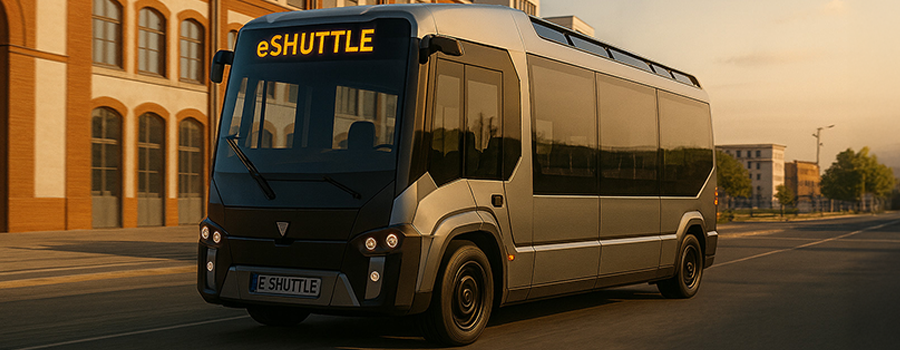
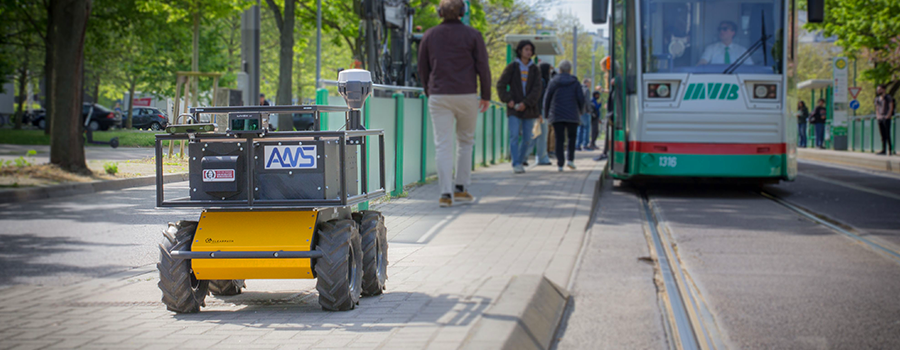
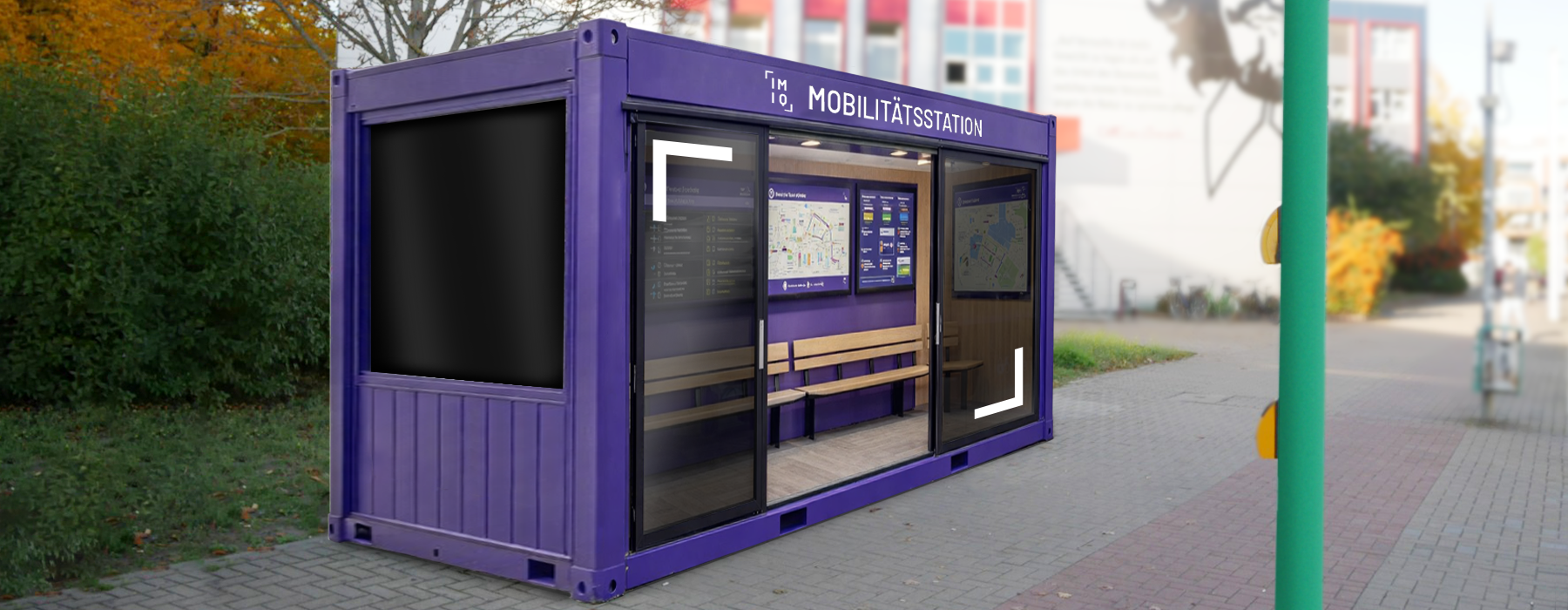
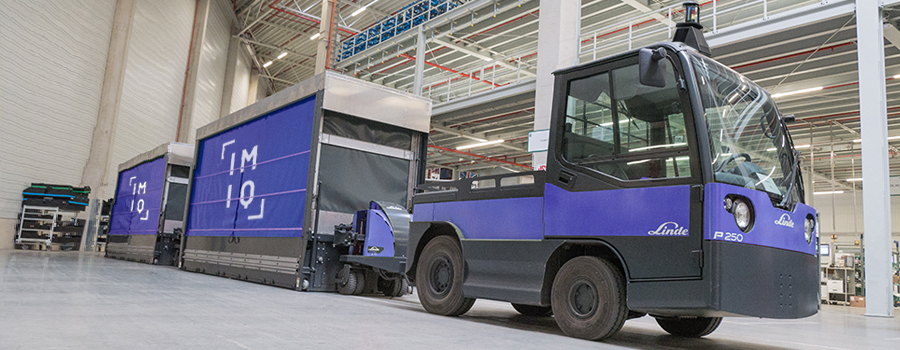
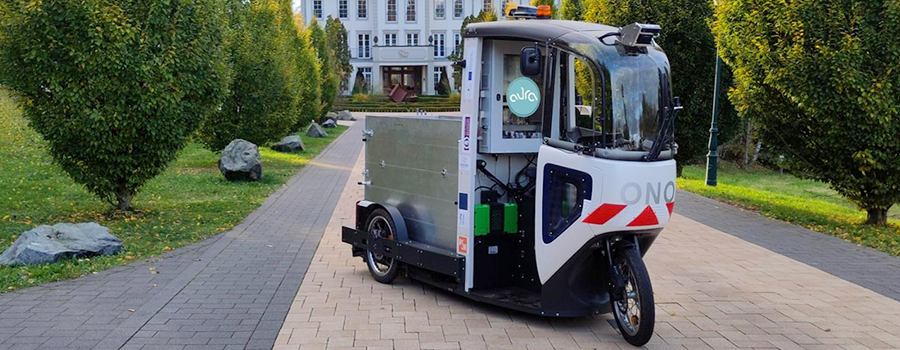
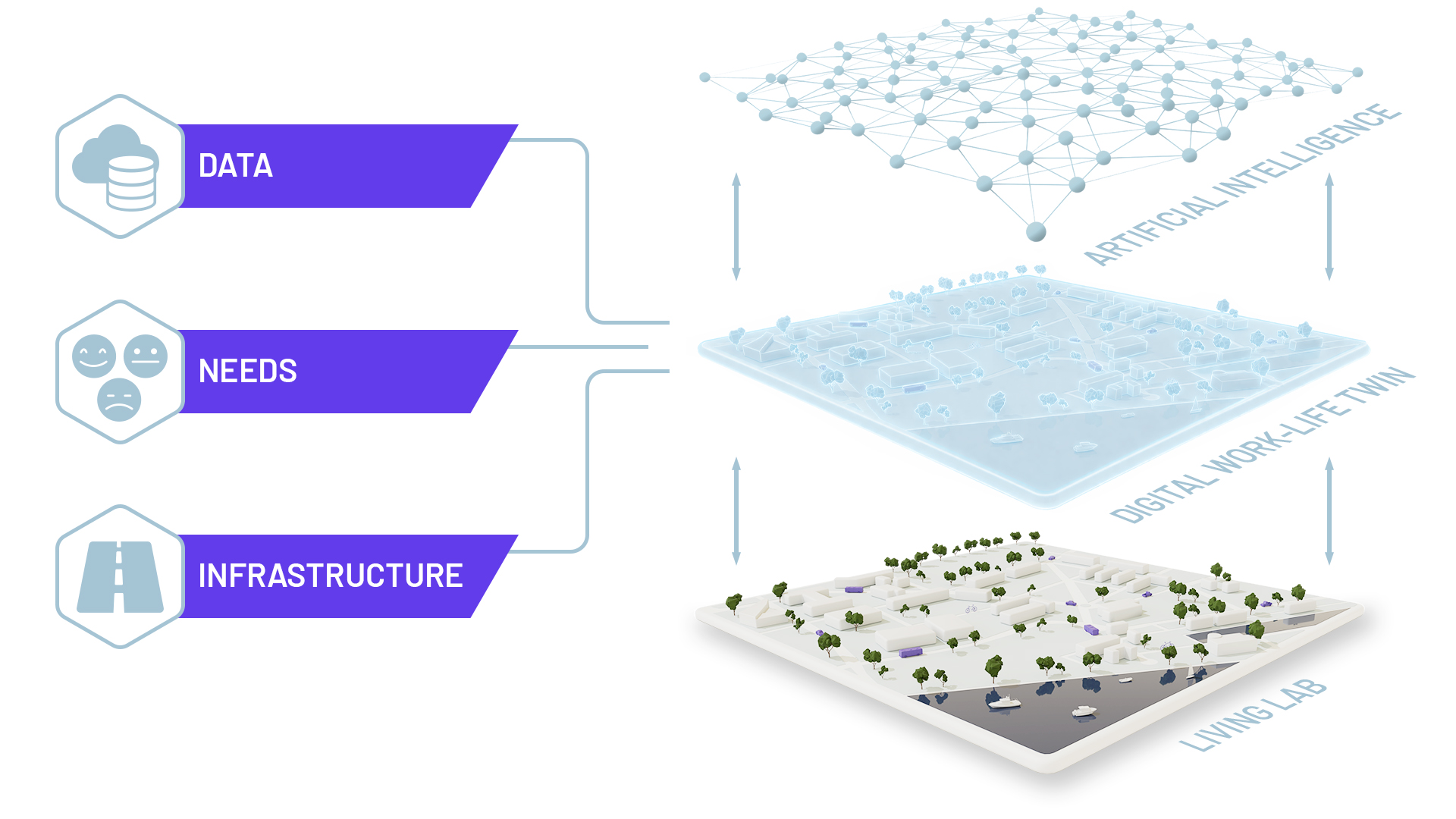
As the spatial foundation of the subproject RIM (Reallabor für Intelligente Mobilität - Living Lab for Intelligent Mobility), the Magdeburg Science Port is being equipped with digital infrastructure and automated vehicles. Both are technically tested and trialed under real-world conditions, with the goal of integrating automated mobility into the existing public transport network. The vehicle data and infrastructure information from the living lab - together with the needs of the locals – form the basis of the Digital Work-Life Twin (DWLT), the second subproject. These needs are gathered through participatory methods, including a resident panel with currently around 850 participants, as well as focus groups and information events with local stakeholders. The Digital Work-Life Twin can be understood as a virtual representation of the quarter. Based on this virtual representation, artificial intelligence is used to run simulations and optimize both digital and physical mobility services. For people in the quarter, this becomes tangible through a personal assistance system, among other things, which supports individual mobility and everyday planning and transparently explains why a particular option is being suggested – with the decision always remaining with the person. In this way, a learning mobility system emerges in harmony with the city and society.
|
|
Content-related goals:
Structural Goals:
|
Because IMIQ brings together many different technologies and fields of expertise (cognitive science, environmental psychology, sensor technology, computer science, mobility & logistics), the project is divided into concrete use cases. This breaks it down into manageable building blocks that can be developed and tested individually, each with its own responsibilities, timelines, and outcomes — while still interacting with and remaining connected to one another.